Products Description
Product Details
| TECHNICAL PARAMETERS OF POLYURETHANE CORE SANDWICH PANEL | ||||||||
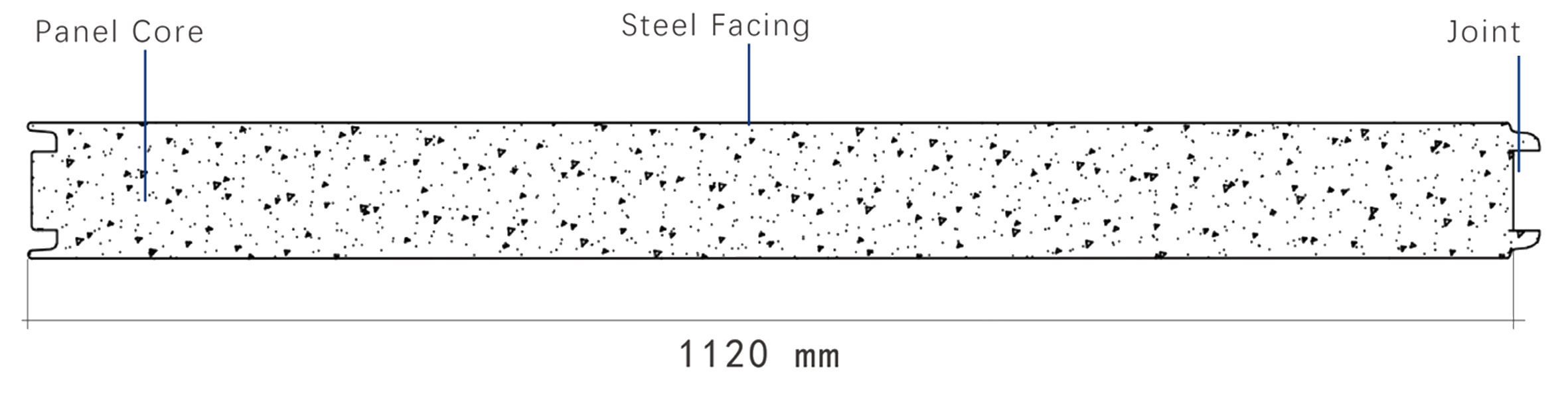
| THICKNESS | Effective Width | Length | Density | Fire Resistance | Weight | Heat Transfer Coefficient Ud,s | Surface Thickness | Surface Material |
| mm | mm | m | Kg/ m³ | / | Kg/㎡ | W/[m x K ] | mm | / |
| 50 | 1120 | 1-18 | 40±2 Customizable |
B2 | 10.1 | ≤0.024 | 0.3 – 0.8 | Customized |
| 75 | 11.1 | |||||||
| 100 | 11.8 | |||||||
| 120 | 12.7 | |||||||
| 125 | 13.2 | |||||||
| 150 | 13.9 | |||||||
| 200 | 16.1 | |||||||
The Joint
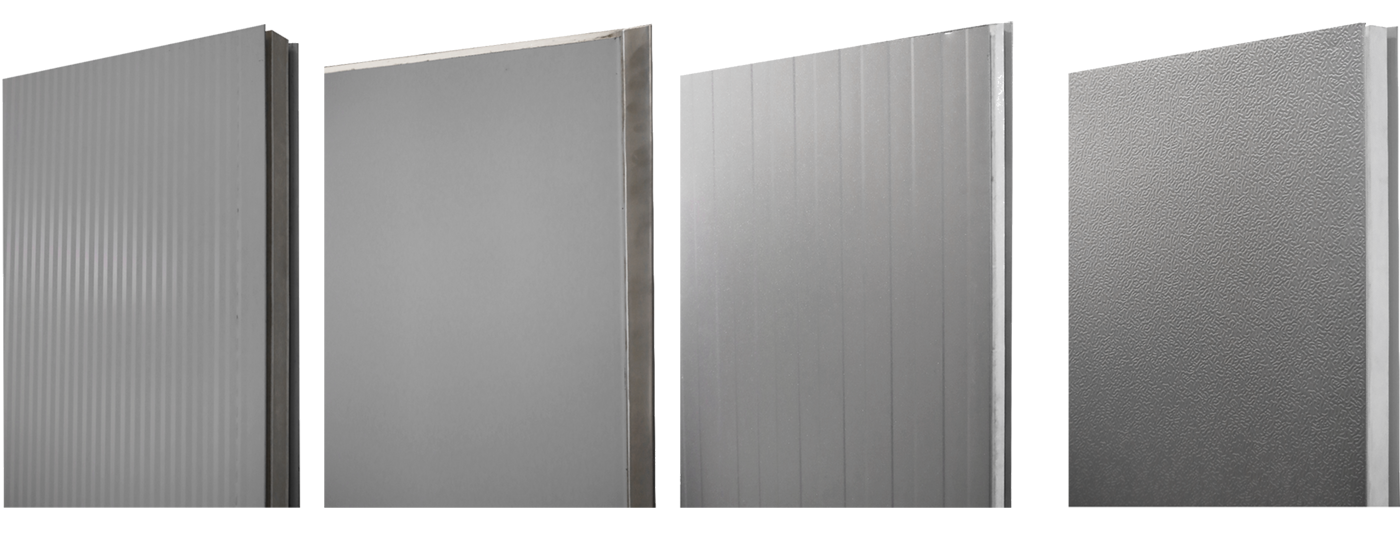
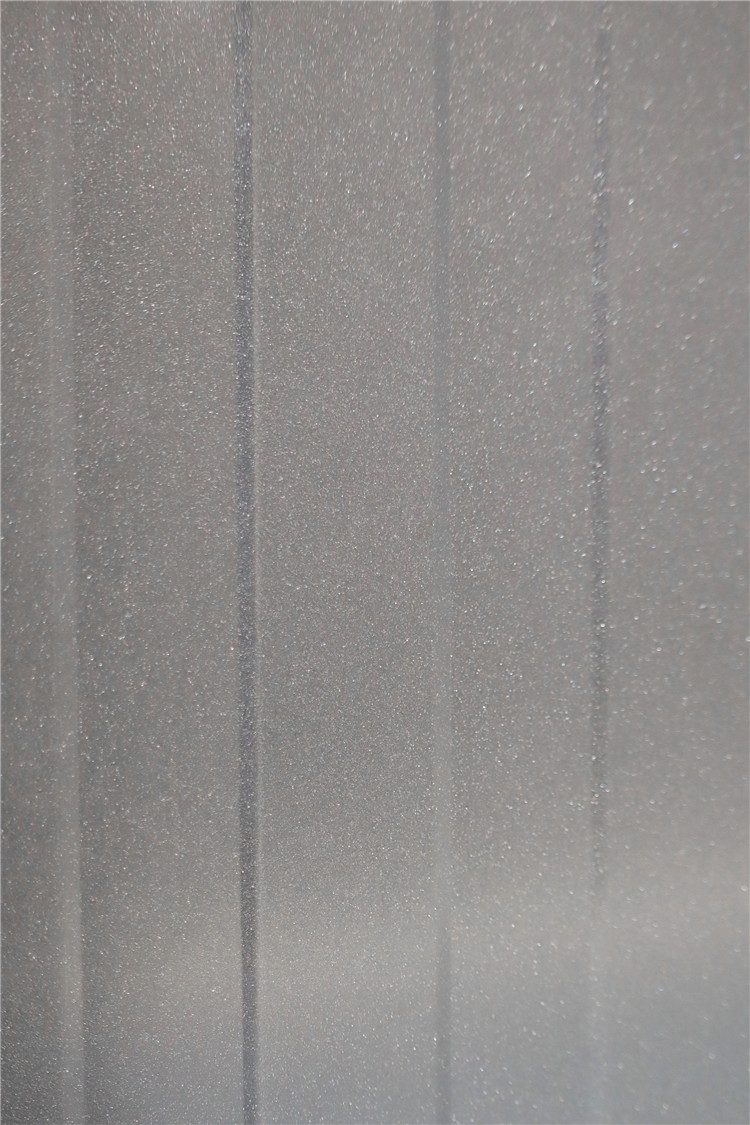
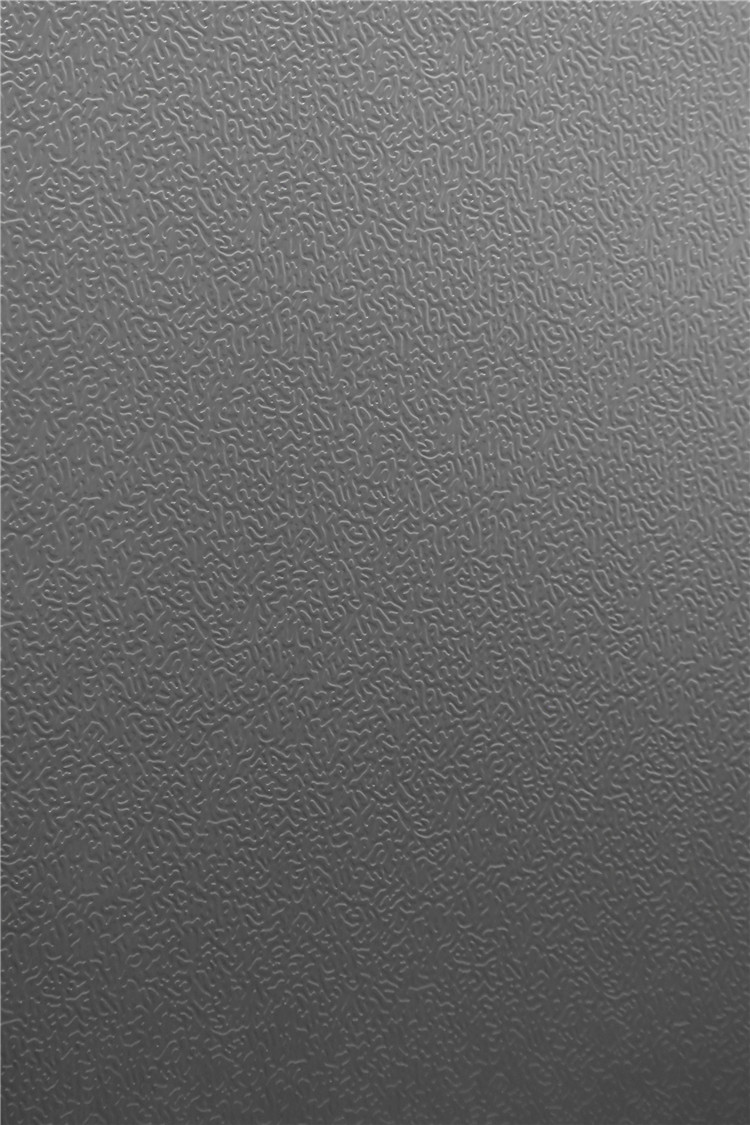
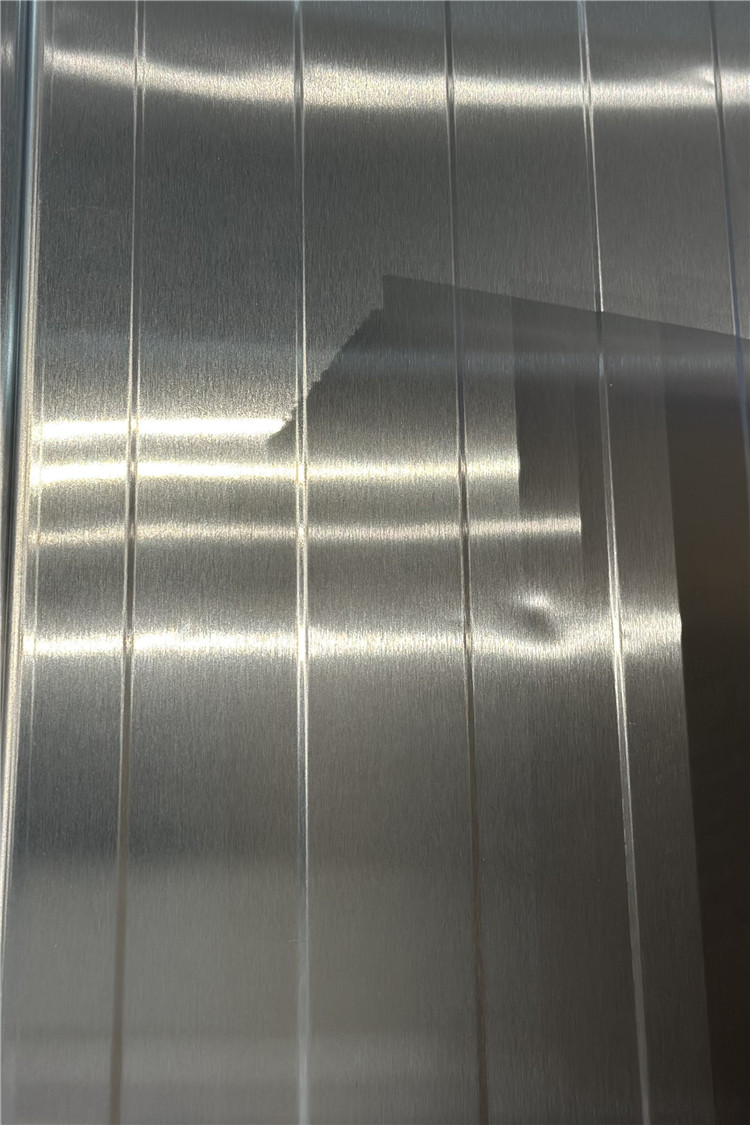
Surface Profile
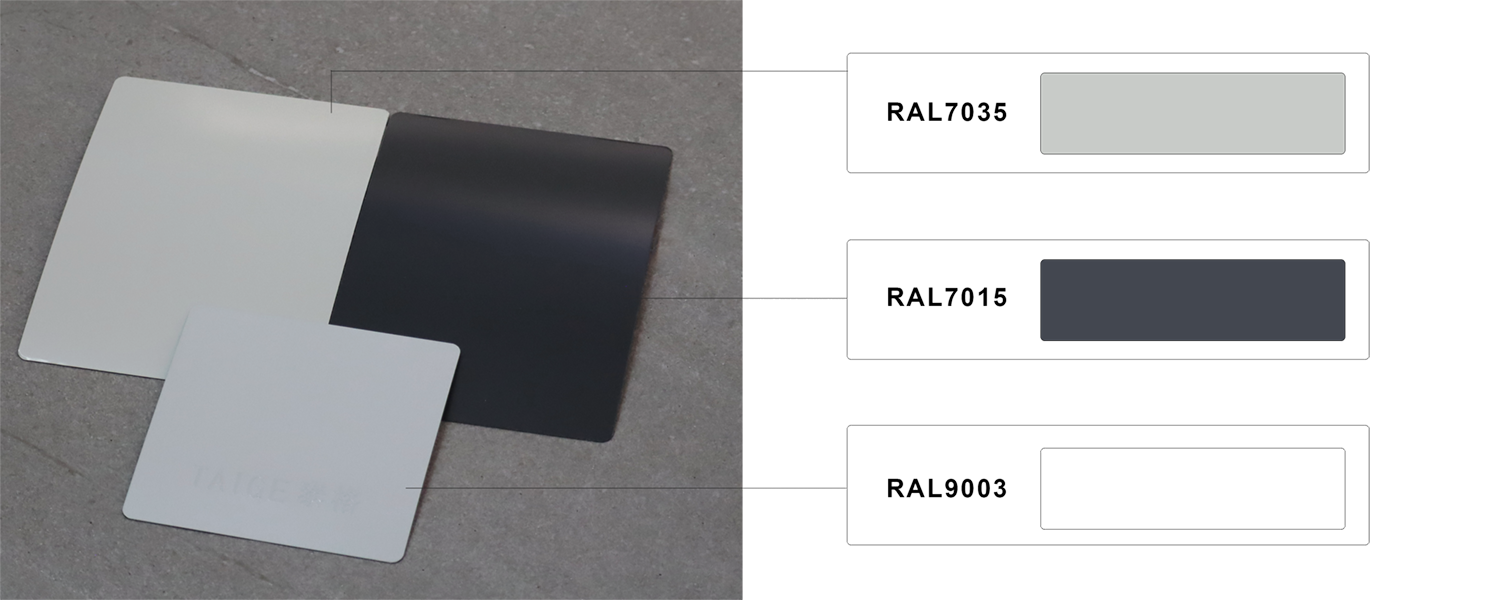
Surface Material
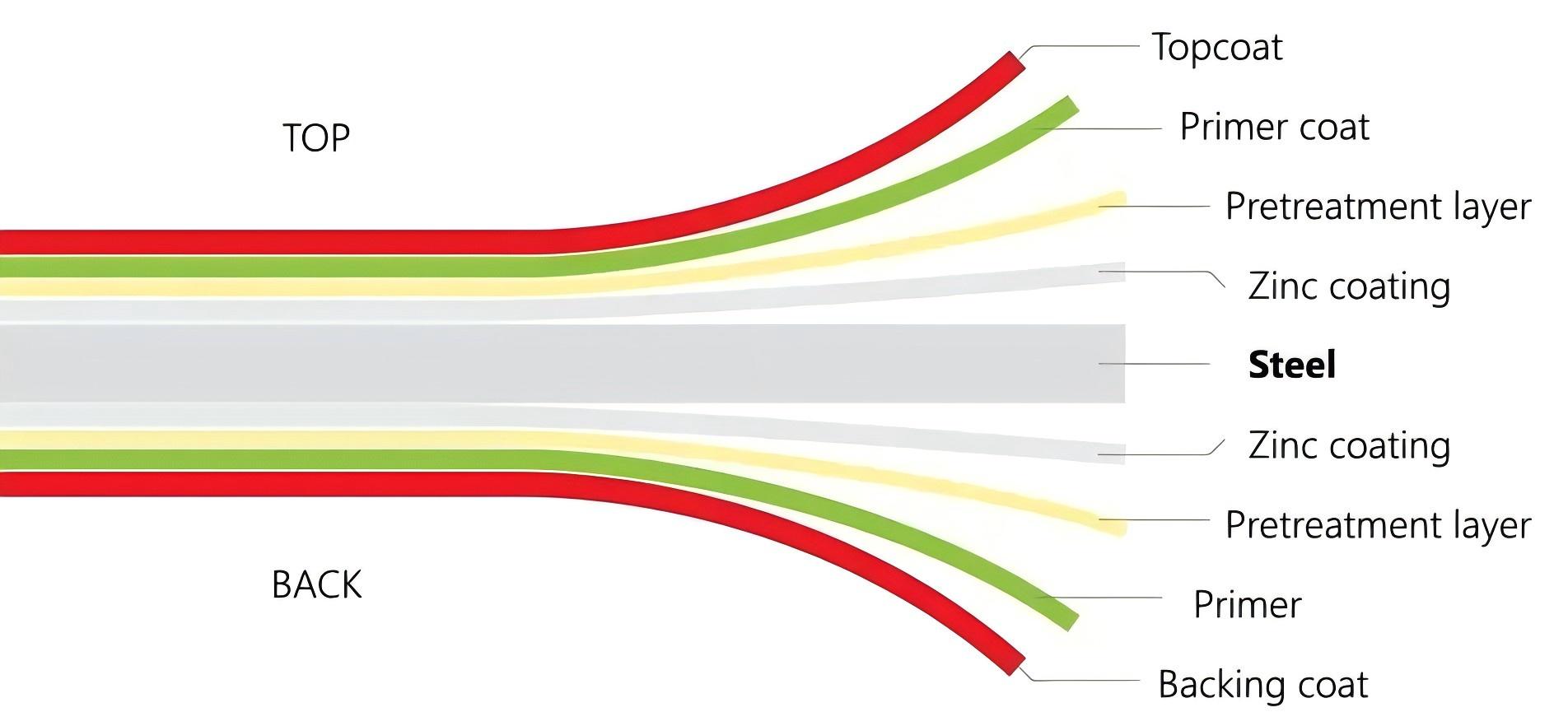
- PPGI
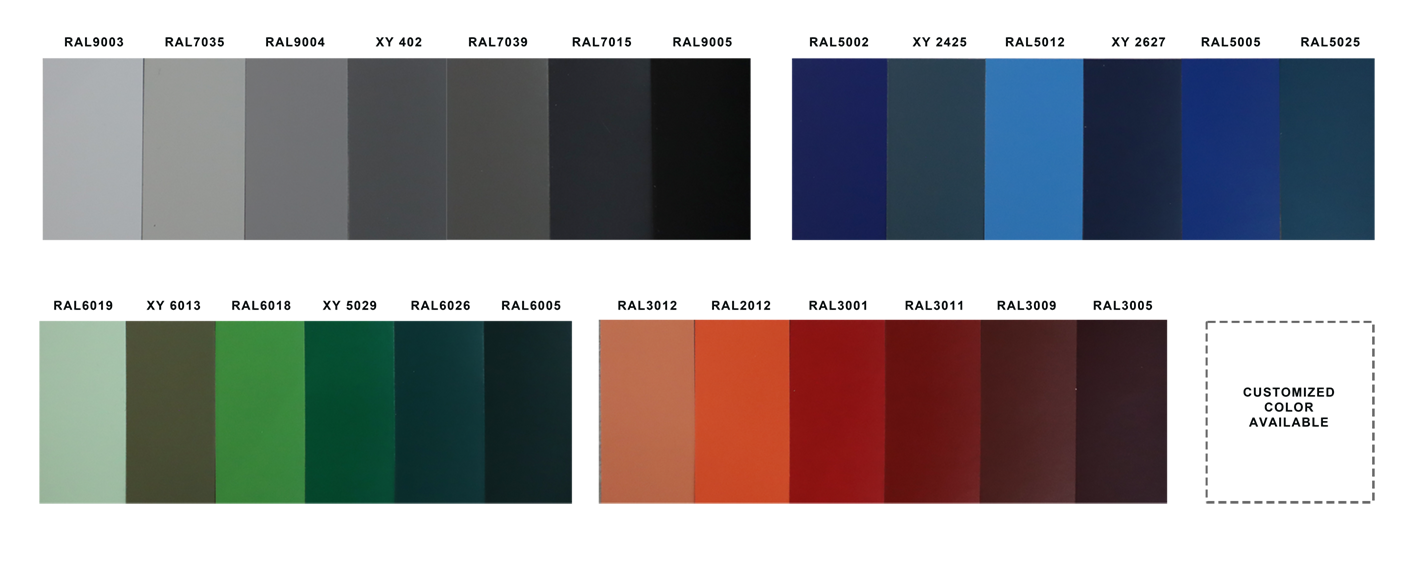
- Other Surface Material
- Extra Coating
-
1. PVDF (Polyvinylidene Fluoride): Known for its exceptional resistance to UV radiation, chemicals, and weathering, PVDF provides a glossy finish that retains color vibrancy over time. This makes it ideal for outdoor applications, particularly in architectural projects.
-
2. HDP (High-Durability Polyester): HDP coatings offer superior durability and scratch resistance, making them suitable for high-traffic areas and industrial environments. They protect against corrosion and environmental factors, extending the lifespan of the material.
-
3. EP (Epoxy Polyester): This coating combines the benefits of epoxy and polyester, providing excellent adhesion and resistance to chemicals and moisture. EP coatings are ideal for indoor applications and environments where chemical exposure is a concern.
More About PIR Sandwich Panel
-
1. Energy Efficiency: The high thermal insulation value of PUR panels can significantly reduce the energy consumption of refrigeration systems. This reduces operating costs and reduces your carbon footprint, making it an environmentally friendly choice.
-
2. VERSATILITY: PUR sandwich panels can be customized in terms of thickness, size and surface finish, allowing them to be tailored to specific applications. They can be used on walls, ceilings, and even floors in refrigerated facilities.
-
3. Easy to Install: The lightweight nature of PUR panels combined with its modular design allows for quick and efficient installation. This minimizes downtime during construction or renovation projects.
-
4. Aesthetics: The exterior metal layer can be processed into a variety of colors and textures, providing an aesthetic appearance that can enhance the overall appearance of the cold storage facility.
Frequently Asked Questions (FAQ)
Q: What are the primary applications of PUR sandwich panels?
PUR sandwich panels are widely used for cold storage insulation (including food or drug storage), cold chain logistics, industrial refrigeration, warehouses, manufacturing plants, and agricultural buildings.
Q: What thickness options are available for PUR sandwich panels?
Our panels typically range in thickness from 50mm to 200mm (including 50, 75, 100, 120, 125, 150, and 200mm options) to meet specific insulation requirements.
Q: What surface materials can be customized for these panels?
You can choose from multiple surface materials including PPGI (Preprinted Galvanized Iron), Stainless Steel (SUS304 / SUS201), Embossed Aluminum, or other custom alloys like Ti-Mg-Zn-Al.
Q: How do the advanced PPGI coatings benefit the panels?
We offer PVDF for superior UV and chemical resistance, HDP (High-Durability Polyester) for high scratch and wear resistance, and EP (Epoxy Polyester) for moisture and chemical protection in indoor environments.
Q: What is the fire resistance rating and thermal conductivity of the panels?
Our polyurethane core sandwich panels feature a B2 fire resistance rating and a highly efficient heat transfer coefficient of ≤0.024 W/[m x K].